
How to Mop Timber Floors Without Damaging Them
23 September 2026 · Jessica Gao
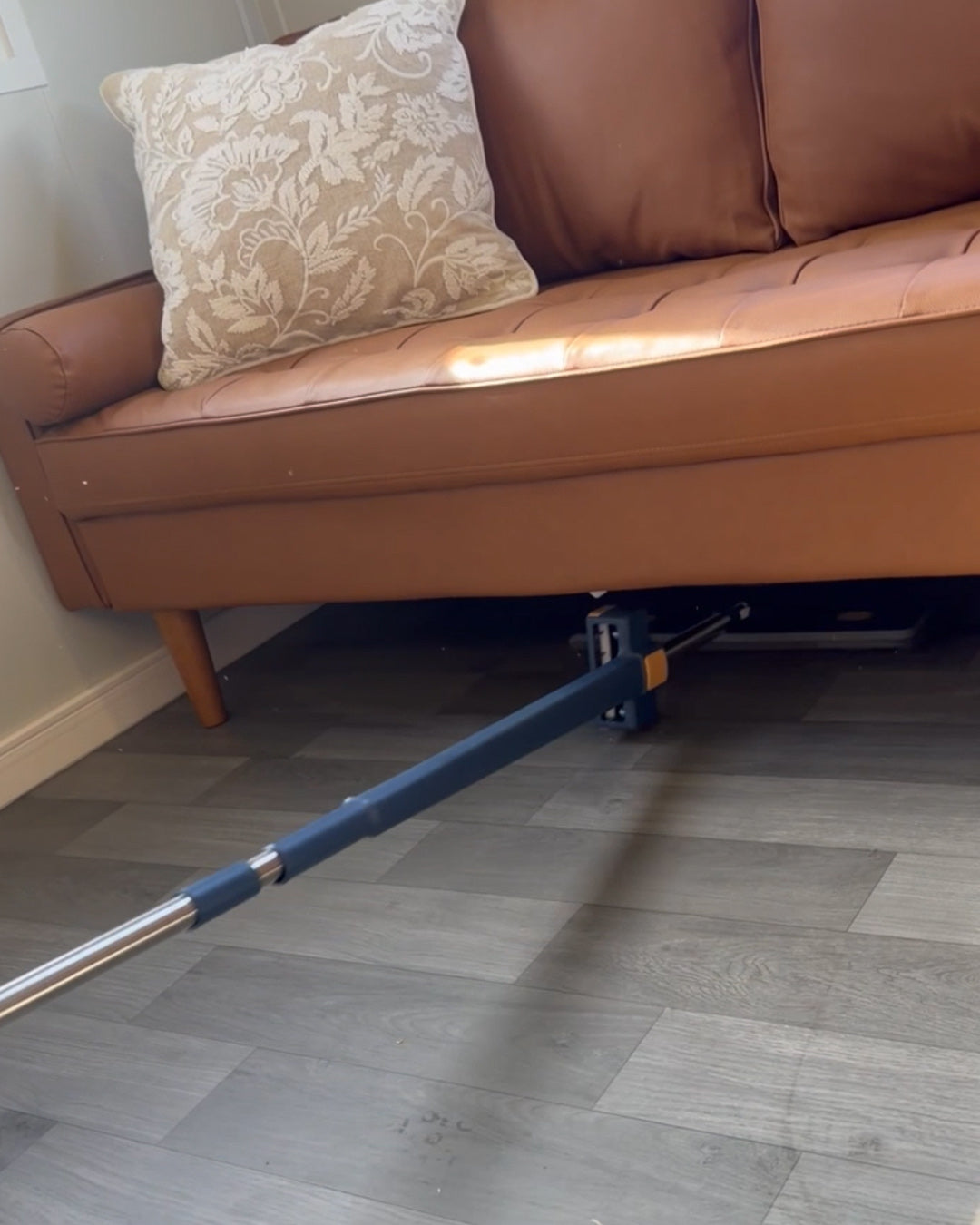
Timber floorboards stay looking good for longer when you keep water under control. Knowing how to mop timber floors safely comes down to a barely damp mop, a pH-neutral cleaner, and not mopping more often than the floor needs.
Why is water the big risk for timber floors?
Timber takes on and loses moisture. When too much water sits on the surface or seeps between the boards, the timber can swell, and the finish can cloud or lift. That's why flooring suppliers recommend wringing the mop hard and using as little water as possible.
How do you mop timber floors?
- Dry sweep or vacuum first. Use a soft broom or a vacuum with a hard-floor head so grit doesn't scratch the finish.
- Use a pH-neutral timber floor cleaner. Ideally the one your floor installer or finish supplier recommends, diluted as the label says.
- Wring the mop until it's barely damp. The floor should dry quickly after each pass.
- Mop along the grain. Following the direction of the boards picks up dirt from the grooves and leaves fewer marks.
- Wipe up any wet patches straight away. Don't leave water sitting in the joins.
- Buff dry if needed. A dry microfibre pad removes any leftover moisture.
What should you avoid on timber floors?
- Soaking wet mops. Excess water can make timber swell.
- Methylated spirits and kerosene. Suppliers warn these can damage the finish.
- Steam mops, unless your floor's maker allows them. Steam can push moisture into the seams. Some manufacturers permit steam on certain sealed floors and others don't, so check first.
- Home-made mixes. Flooring suppliers recommend a dedicated pH-neutral cleaner over vinegar or other household remedies.
- Abrasive pads. They can dull or scratch the coating.
How often should you mop timber floors?
Damp-mop no more than about once a week for most homes, with a dry sweep in between. High-traffic spots like the kitchen and hallway may need a quick spot clean more often. Wipe up spills when they happen rather than waiting for mopping day.
Does it matter whether the timber is sealed?
Yes. This advice is for sealed (coated) timber. Oiled or unsealed timber needs its own care products, so follow the instructions from whoever finished your floor.
A mop that stays damp, not wet
A flat microfibre mop suits timber because it doesn't leave puddles. The Cleanmatic 8-in-1 self-wringing flat mop wrings through double scrapers in the bucket, so the pad comes out damp and ready without your hands in the water. The 360° swivel head follows the boards and reaches under beds and sofas.
For other floor types, see how to mop floors properly.